Route 66 — The Most Famous Road Trip in History
- Warren Parrot
- May 26
- 8 min read
Discover why Route 66 is the most famous road trip in history. Explore iconic diners, quirky towns, classic Americana, movies, music, history and must-see stops from Chicago to Santa Monica.
There are road trips… and then there’s Route 66.

Even if you’ve never set foot in America, chances are you already know the name. You’ve heard it in songs, seen it in movies, spotted the famous highway shield on T-shirts, or watched some bloke on YouTube driving through the desert in a Mustang with a milkshake in hand and Bruce Springsteen blasting through the speakers.
For Aussies especially, Route 66 feels almost mythical. It’s America at its most exaggerated and nostalgic — neon signs, giant burgers, cowboy boots, desert highways, old gas stations, rusty Chevrolets, Harley-Davidsons, and little towns that somehow feel frozen in 1955.
And after finally driving it ourselves from end to end, we now understand why people call it “The Mother Road”. It’s not just a drive. It’s a moving time capsule.

The History of Route 66 — Why It Exists
Before there were interstate freeways in America, getting across the country was slow, dusty and complicated. In 1926, the United States officially created U.S. Route 66, linking Chicago, Illinois to Santa Monica, California over roughly 3,940 kilometres (2,448 miles).
The idea was simple: connect small rural towns to major cities and create a direct route westward for trade, travel and migration.
What nobody expected was that the road itself would become a cultural icon.
During the 1930s, thousands of families escaping the Dust Bowl and economic hardship travelled west along Route 66 toward California looking for work and a better life. Author John Steinbeck famously called it “The Mother Road” in his legendary novel The Grapes of Wrath.
By the 1950s and 60s, Route 66 had transformed into the ultimate American road trip. Families packed station wagons, strapped suitcases to the roof, loaded the kids in the back seat and headed west in search of sunshine, adventure and Disneyland.
Then came the interstate highways. The faster freeways bypassed many of the little towns Route 66 once supported. Motels closed. Diners faded away. Neon signs went dark.
Officially, Route 66 was removed from the U.S. Highway System in 1985.
But instead of disappearing… it became immortal.
“Get Your Kicks on Route 66” — The Song That Made the Highway Legendary
You can’t talk about Route 66 without talking about the song.
(Get Your Kicks on) Route 66 was written in 1946 by American songwriter Bobby Troup while driving west to California with his wife.
Apparently, Troup was travelling the route himself when the idea hit him — why not turn the famous highway into a song? Genius move. The lyrics literally list towns along the route: “Won’t you get hip to this timely tip… When you make that California trip…”
Then comes the famous run of destinations including St. Louis, Oklahoma City, Amarillo, Gallup, Flagstaff and more.
The song became a massive hit after being recorded by Nat King Cole, and later covered by artists like Chuck Berry, The Rolling Stones and Depeche Mode but other big names include Bing Crosby, Ray Charles, Perry Como, Tom Petty and the Heartbreakers and more recently John Mayer.
Even decades later, you can still hear it playing in diners and old gas stations along the route. After a few days on Route 66, you’ll probably catch yourself humming it while filling up the car somewhere in the Arizona desert.
Route 66 in Movies, TV and Pop Culture
The highway has appeared in countless films, TV shows and documentaries over the decades.
One of the most famous modern examples is the movie ‘Cars’. The sleepy little town of Radiator Springs was heavily inspired by dying Route 66 towns bypassed by modern freeways. Once you’ve driven through places like Seligman or Winslow, you suddenly realise just how accurate that movie actually is.

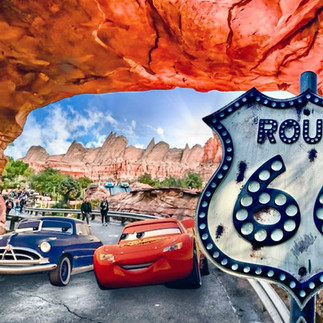

Then there’s Route 66 — a black-and-white TV show following two blokes driving across America in a Corvette.
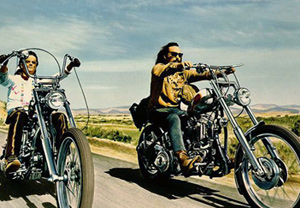
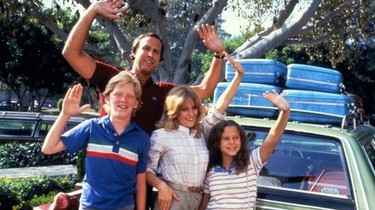
Other famous Route 66-linked films include: Easy Rider, Thelma & Louise, Rain Man and the all-time favorite in our house, National Lampoon's Vacation
The road has become shorthand for freedom, rebellion, adventure and classic American car culture.
Starting the Journey — Chicago, Illinois
Every great Route 66 adventure traditionally begins in Chicago.
Standing beneath the famous “Begin Route 66” sign near Adams Street, we felt oddly emotional. Maybe it’s because you realise you’re about to cross almost the entire United States using a road people have dreamed about driving for nearly a century.

Chicago itself deserves a few days if you have the time.
You’ve got deep-dish pizza at Lou Malnati’s, blues bars, gangster history tied to Al Capone, incredible architecture and the stunning shoreline of Lake Michigan.
But eventually the road starts calling and once you leave Chicago behind, Route 66 quickly changes personality. The skyscrapers disappear. The towns shrink. And suddenly you’re seeing giant fiberglass muffler men, old motels with flickering neon and roadside diners where the waitress still calls you “Honey”.
Stop 1 — St. Louis, Missouri & The Gateway West
Crossing the Mississippi River into St. Louis feels symbolic.
This city was historically considered the “Gateway to the West”, and the enormous Gateway Arch dominates the skyline. At 192 metres high, it’s impossible to miss.
Nearby, you’ll find old-school Route 66 diners and quirky Americana attractions. One place we loved was Ted Drewes Frozen Custard, a legendary dessert stop operating since 1929.


Their frozen custard is so thick they literally hand it upside down. Naturally, we attempted this ourselves. Naturally, it ended badly.
Missouri also features some wonderfully preserved stretches of old Route 66 road, including historic bridges and tiny roadside towns that feel untouched by time.
Stop 2 — Cadillac Ranch, Texas & The Weird Side of America
If Route 66 teaches you anything, it’s this: Americans absolutely love giant weird roadside attractions. And perhaps none are more famous than Cadillac Ranch near Amarillo, Texas.
Ten old Cadillacs buried nose-first into the dirt. That’s it. That’s the attraction. And somehow… it’s brilliant.

Visitors bring spray cans and graffiti the cars with messages, artwork and questionable life choices. The entire installation changes colour every single day.
Nearby, the iconic Big Texan Steak Ranch offers a famous 72-ounce steak challenge. If you finish the entire meal within an hour, it’s free. We watched one American bloke attempt it. About 40 minutes in, he looked like he’d lost a custody battle with a cow!

Texas also delivers those enormous open highways Australians secretly love — endless horizons, huge skies and truck stops where the coffee could restart a dead tractor.
Stop 3 — Albuquerque & Santa Fe, New Mexico
New Mexico might just be the most underrated part of Route 66. The scenery changes dramatically here. Red desert landscapes. Ancient Native American culture. Adobe buildings. Turquoise jewellery shops.
It feels completely different from the Midwest.


Albuquerque features one of the best-preserved neon-lit stretches of old Route 66 anywhere in America, particularly along Central Avenue.
Meanwhile, nearby Santa Fe is full of art galleries, historic churches and incredible Southwestern food.
This is where Route 66 starts feeling cinematic. You half expect a tumbleweed to roll past while an old cowboy squints at you from a porch somewhere.
One quirky stop we loved was the Blue Swallow Motel in Tucumcari — one of the most photographed motels on Route 66 thanks to its glowing vintage neon sign.
At night, the entire place feels like a movie set.

Stop 4 — Arizona, Seligman & Winslow
Arizona is Route 66 perfection. This is the section most people imagine when they think about the Mother Road. Red cliffs. Desert highways. Old diners. Harley riders and abandoned gas stations. Tiny forgotten towns.
The little town of Seligman is particularly important because it helped save Route 66 from disappearing altogether. Barber shop owner Angel Delgadillo became one of the biggest advocates for preserving the historic route.
Today, Seligman is gloriously quirky. You’ll find old Coca-Cola signs, rusty classic cars, giant hot dog statues and souvenir shops selling every Route 66 item imaginable.

Then comes Winslow, Arizona. Even if you don’t know the town, you probably know the lyric: “Standing on a corner in Winslow, Arizona…” That famous line comes from Take It Easy by Eagles.
Naturally, the town built an attraction around it called Standin' on the Corner Park. And yes — every tourist takes the same photo pretending to stand on the corner and you will too! No regrets.

The Grand Finale — Santa Monica, California
Eventually, after thousands of kilometres, deserts, diners, motels and enough burgers to shorten your lifespan by several years… you arrive in Santa Monica, California.
The official “End of the Trail” sign sits near the famous Santa Monica Pier overlooking the Pacific Ocean. It was genuinely emotional reaching the end.

You think about everyone who travelled this road before you: Families escaping hardship, young dreamers heading west. Truck drivers. Musicians trying to become famous, holidaymakers (like the Griswalds but maybe not as dysfunctional!), Motorcyclists and bikie gangs. Adventure seekers – just like us…
So you realize, now you’re part of that history too.
Standing there with the Pacific Ocean in front of us, we realised something important: Route 66 isn’t famous because it’s the fastest drive. It’s famous because it celebrates the journey itself.
Why Route 66 Is Still the World’s Most Famous Road Trip
There are arguably more beautiful drives in the world. Australia’s Great Ocean Road is spectacular. New Zealand has jaw-dropping scenery. Europe has alpine passes.
But Route 66 is different. It represents freedom. Democratic progress from the past and future. Adventure which for all driving enthusiasts is built into our DNA. And ofcourse - Optimism.

The golden age of road travel. It’s history you can physically drive through. Where else can you sleep in a 1950s neon motel, eat pie in a diner older than your grandparents, listen to rockabilly music while fuelling up beside a classic Mustang, then drive across the desert toward Hollywood? Nowhere.
That’s why Route 66 remains the king of road trips.
Final Thoughts — Why Every Driving Enthusiast Needs to Do It Once
If you love driving, history, music, quirky towns, classic cars, Americana or simply the romance of the open road, Route 66 deserves a place at the very top of your bucket list.
Not because it’s perfect. In fact, parts of it are rough, dusty, faded and gloriously outdated.
That’s the point. Route 66 feels real. It’s nostalgic without trying too hard.
And for Aussies especially, it offers a weirdly fascinating glimpse into an America we grew up seeing in movies and hearing about in songs.

By the end of the journey, you stop caring about how quickly you’re getting somewhere. You slow down. You take the old road. You pull over at strange and quirky attractions. You talk to locals. You eat at diners that haven’t changed in 60 years (black coffee, and lots of it).And somewhere along the way… You finally understand what Bobby Troup meant when he wrote:
“Get your kicks on Route 66.”
Helpful Links:
· The Route 66 – VISIT HERE – not the best website I have seen but has suggested itineraries and besides all of the sites ‘noise’ its pretty easy to use, as well as Accommodation suggestions.
· National Park Service Route 66 Guide – VISIT HERE
· Route 66 Centennial Official Website - VISIT HERE
· Historic 66 - VISIT HERE – will help you follow the REAL old Route 66 helping you avoid modern interstate bypasses etc


Comments