Exploring the Great Ocean Road in a BYD Shark 6 Hybrid Adventure
- Warren Parrot
- May 12
- 5 min read

There are some roads in Australia that instantly tell you whether a vehicle is genuinely good to drive — and then there’s the Great Ocean Road.
Twisting around cliffs, hugging the coastline and constantly changing from sweeping bends to tight corners, the famous Victorian touring route remains one of the ultimate real-world road tests. So when the opportunity came up to spend several days behind the wheel of the new BYD Shark 6, the Great Ocean Road felt like the perfect place to see what this new-generation hybrid ute was really capable of.
Starting in Torquay, then winding through Lorne before finishing in Apollo Bay, the trip mixed beach towns, rainforest drives, lookouts, great food and enough corners to quickly expose both the strengths — and weaknesses — of any vehicle.
And after several days with the Shark 6, one thing became clear: this is not a traditional ute.
Whether that’s a good thing or not depends largely on who you are and what you expect from it.
First Stop: Torquay
Rolling into Torquay, the Shark immediately felt more refined than most dual-cab utes currently on Australian roads. Around town, the hybrid drivetrain is impressively smooth and quiet. In electric-only mode at lower speeds, it almost feels SUV-like rather than ute-like.
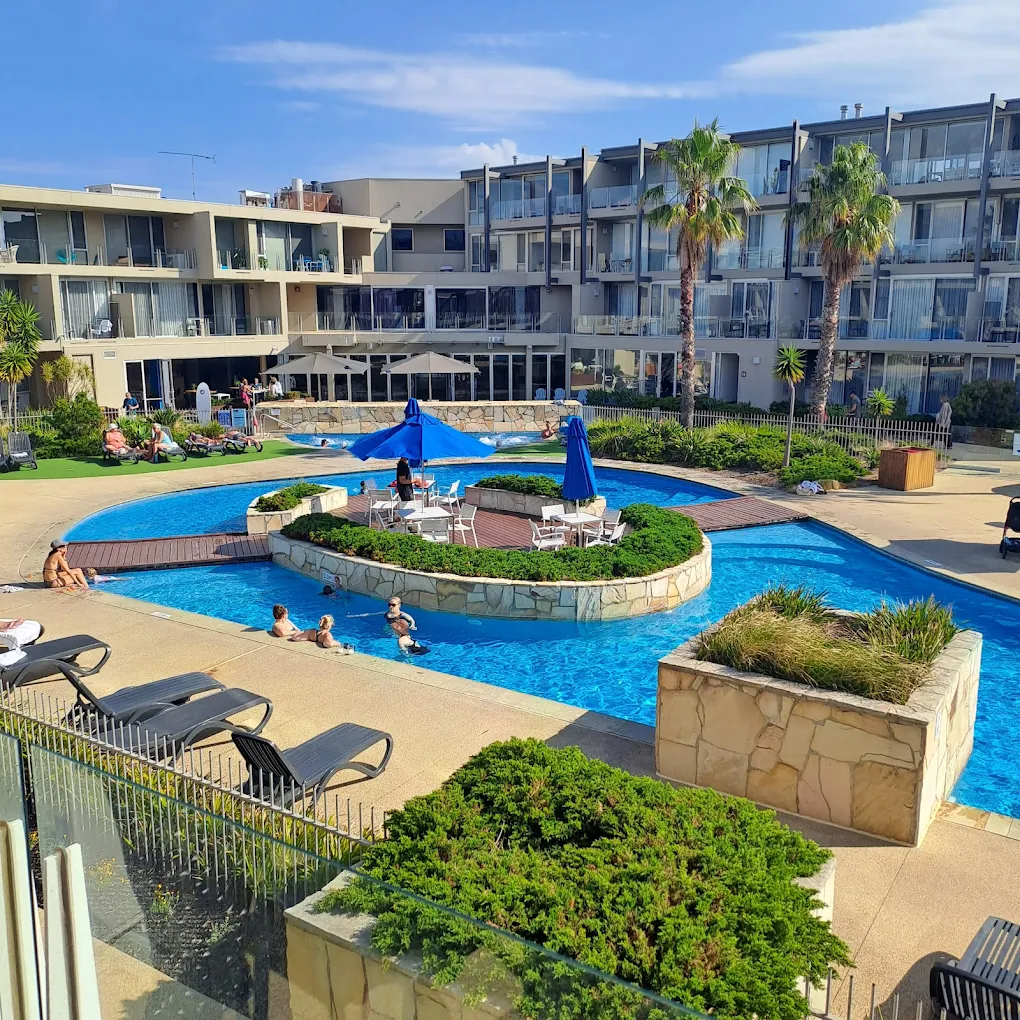
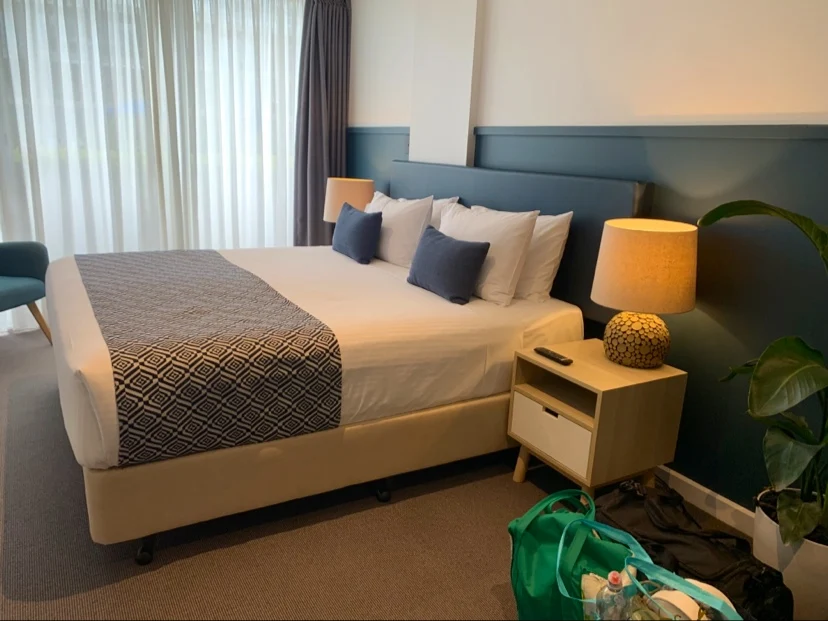
Our accommodation for the first night was Wyndham Resort Torquay — a comfortable four-star base just outside town with ocean views and easy parking for larger vehicles.
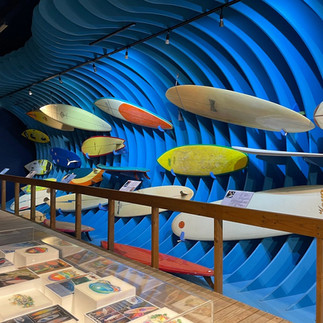
After checking in, we headed to Australian National Surfing Museum, a paid attraction that offers a surprisingly interesting look into Australia’s surfing culture and the history of Bells Beach.
Dinner that night was at Samesyn, one of the standout dining spots in town. Fresh seafood, local produce and a relaxed coastal atmosphere suited the laid-back start to the trip.
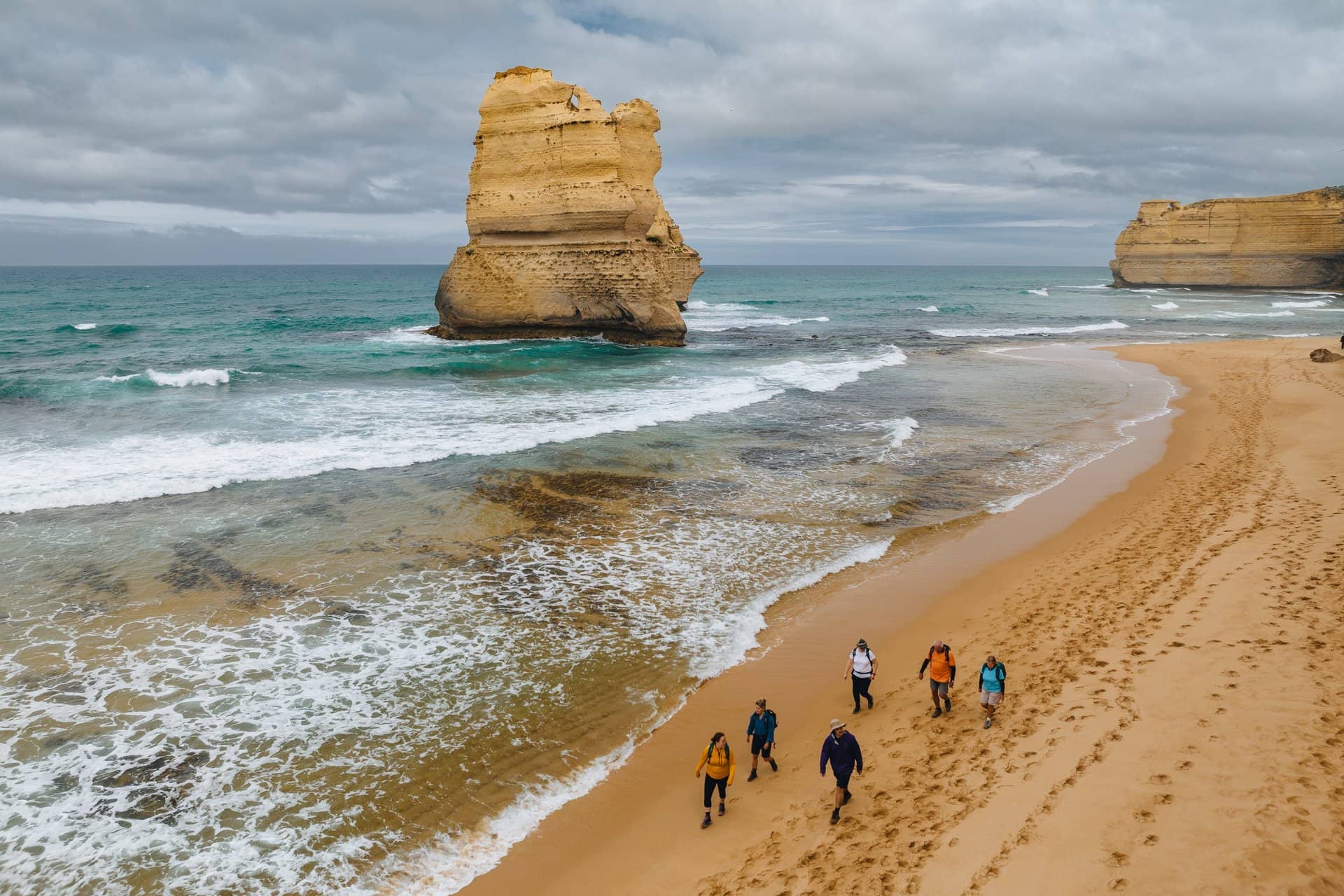
Before leaving Torquay the next morning, we stopped for coffee at a small café near the Esplanade before taking a detour to Bells Beach. Watching the swell roll in while the Shark sat overlooking the cliffs almost felt like a marketing shoot for BYD.




Hitting the Curves Toward Lorne
This is where the real test began.
The section between Torquay and Lorne is classic Great Ocean Road driving — tight corners, changing elevations and endless ocean views. It’s also where the Shark’s strengths became obvious.
The instant torque from the electric motors gives the Shark strong acceleration coming out of corners. Overtaking slower traffic (when safe to do so!) was effortless, and the vehicle felt planted and composed through most bends.
Unlike many traditional diesel utes, the Shark doesn’t feel agricultural or clunky. The suspension setup leans more toward comfort and everyday usability rather than hardcore commercial workhorse behaviour. That actually suited this journey perfectly.
Still, it wasn’t flawless.
At times, the steering felt slightly artificial, particularly through tighter technical sections. Some of the driver assistance systems — especially lane-keeping alerts — could become intrusive on narrow winding roads. A few reviewers and owners online have mentioned similar frustrations.
But overall, the driving experience on these tight winding roads remained surprisingly enjoyable for a vehicle this size.
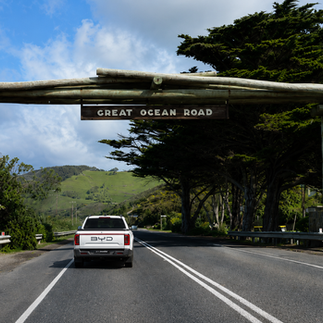
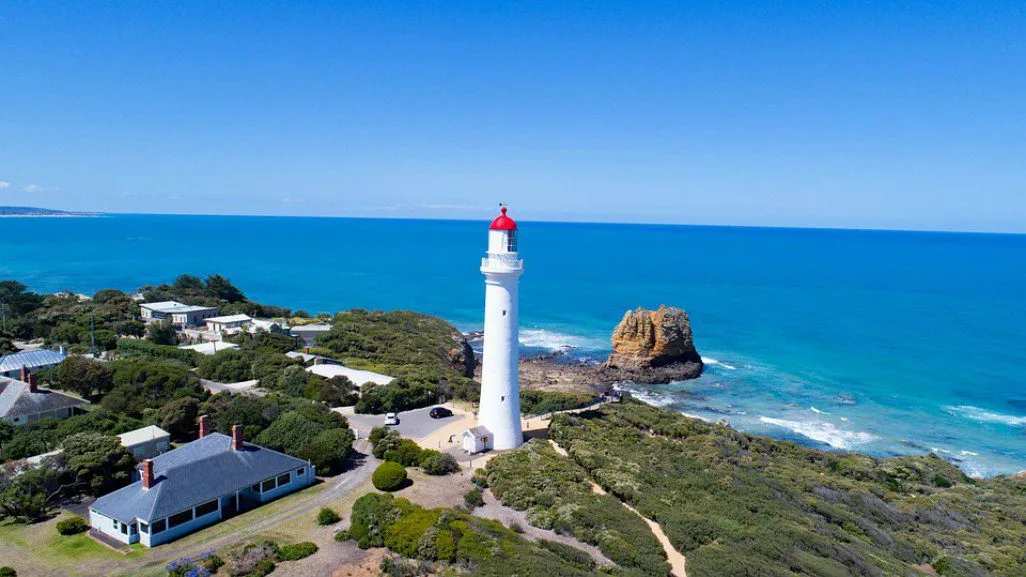
Along the way, we stopped at Memorial Arch at Eastern View for the obligatory Great Ocean Road photo opportunity before pulling into Aireys Inlet Lighthouse Tours for a paid lighthouse tour at Split Point Lighthouse.
Lunch was a relaxed affair at a café in Anglesea overlooking the water before continuing toward Lorne.

Overnight in Lorne
Lorne remains one of the jewels of the Victorian coast — equal parts beach town, holiday destination and gateway to the Otways.
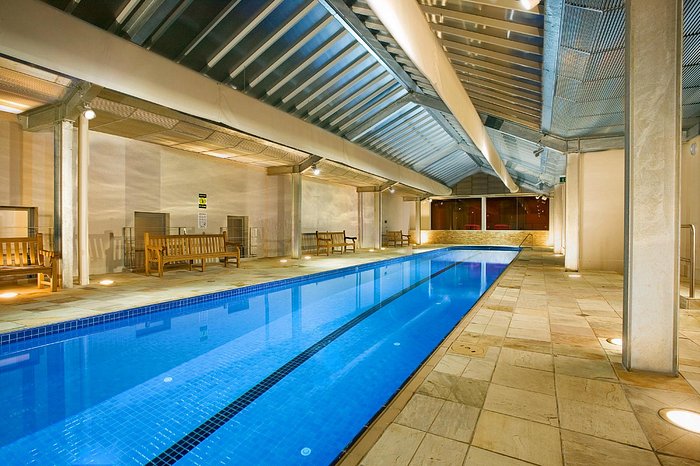
We checked into Mantra Lorne, a well-known four-star property perfectly positioned within walking distance of town.
That afternoon, we drove inland slightly to visit Erskine Falls. While not exactly serious off-roading, the slightly rougher access roads gave the Shark a chance to show some versatility.
Again, it impressed more than expected.
The hybrid AWD system delivered confident grip, while the ride quality stayed comfortable over uneven surfaces. It’s probably not going to replace a hardcore diesel 4WD for serious remote touring, at least not yet – maybe on the next evolution, but for lifestyle buyers mixing urban driving with weekend adventures, it makes a compelling case.
Dinner in Lorne was at Ipsos Restaurant, a long-time local favourite serving excellent Greek-inspired dishes with a strong wine list.
One thing we noticed during the second day was fuel consumption creeping upward once the battery charge reduced and the petrol engine started working harder on hilly sections. This mirrors feedback from several towing and long-distance reviewers online, who report real-world fuel economy varying significantly depending on terrain and battery use.






Final Leg: Lorne to Apollo Bay
The drive from Lorne to Apollo Bay may well be the most scenic stretch of the entire Great Ocean Road.
Towering cliffs. Dense rainforest. Sharp ocean drop-offs.
It’s also the kind of road where you either trust a vehicle or you don’t.
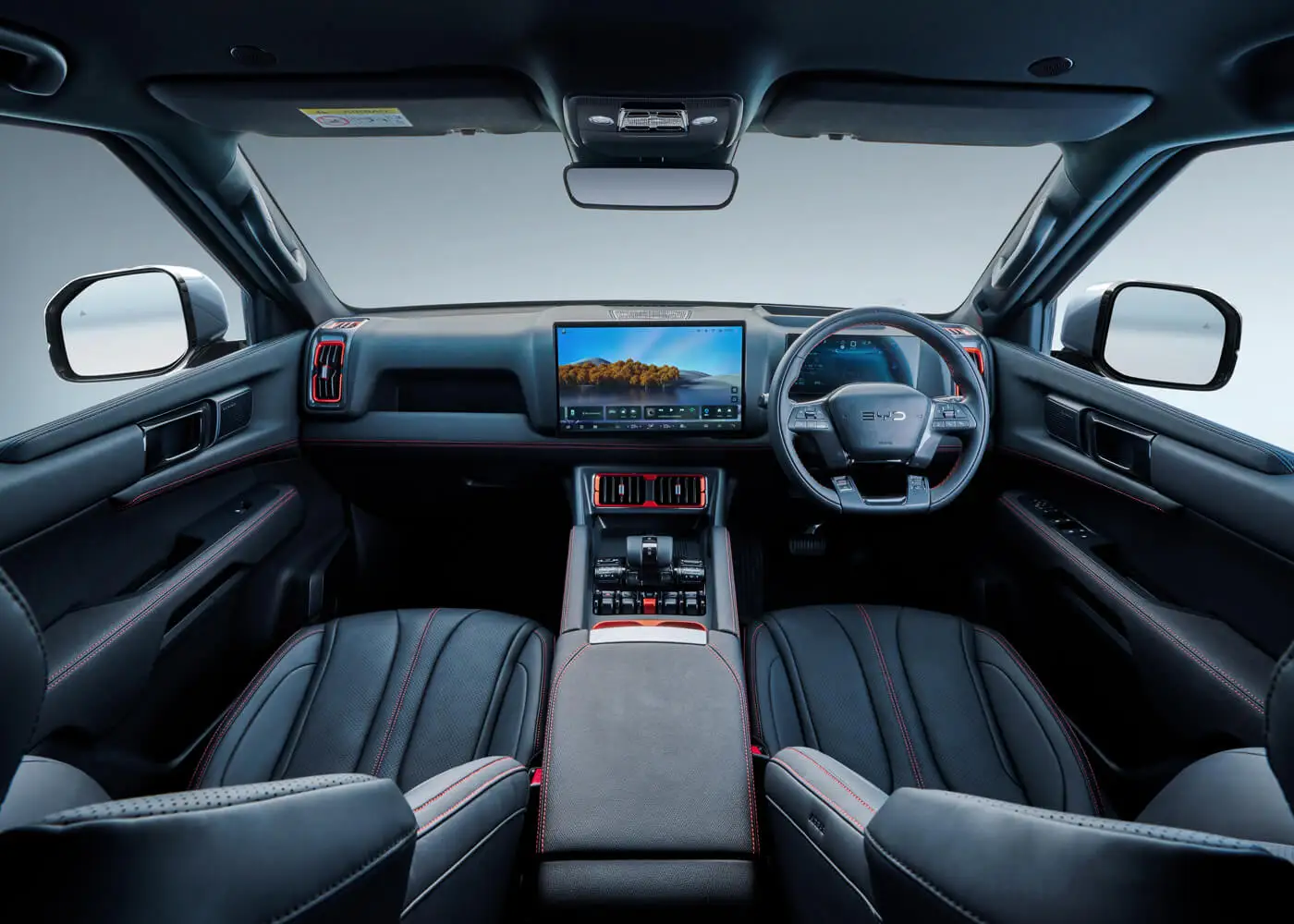
The Shark continued to feel stable and confident, with strong braking performance and excellent visibility. The cabin remained impressively quiet for a ute, and the large infotainment screen gave the interior a far more premium feel than many rivals in this price range.
We stopped briefly at Kennett River, famous for its wild koalas, before pulling over again at a lookout near Cape Patton for one final coastal photo stop.
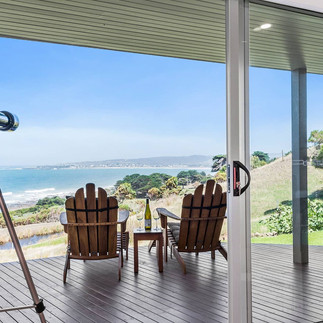
Arriving in Apollo Bay by late afternoon, we checked into Seafarers Getaway — modern four-star accommodation perched dramatically above the coastline.
For an activity in Apollo Bay, well earned after all of the driving, we opted for a guided trip with Apollo Bay Surf and Kayak, giving us a chance to experience the coastline from the water rather than the road.
Dinner that evening was at Chris's Beacon Point Restaurant, where panoramic ocean views and local seafood provided a fitting finish to the trip.





BYD Shark 6: Our Thoughts
The BYD Shark 6 is one of the most interesting new vehicles to hit the Australian market in years.
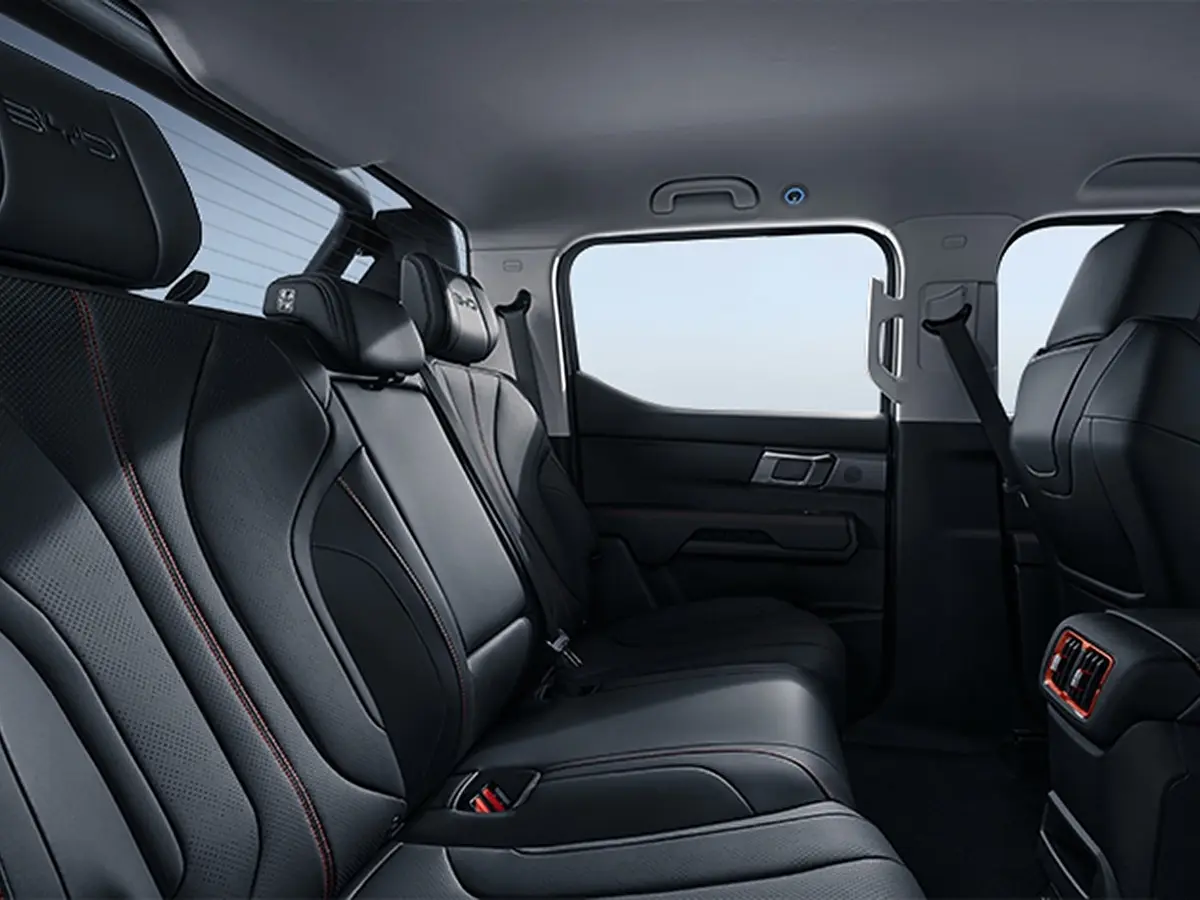
It challenges the traditional diesel ute formula by offering something more refined, more tech-focused and significantly more comfortable for everyday driving. In particular we loved the interior of the car.
For buyers who spend most of their time commuting, touring, towing moderate loads and doing weekend adventures, it makes a lot of sense.
However, traditional heavy-duty ute buyers may still hesitate.
Its towing capacity on the current Australian Premium model sits at 2,500kg braked (although we hear there is a 3,500kg coming, we hope!) — lower than major rivals like the Ranger and HiLux. Real-world towing fuel economy can also increase substantially once the battery charge drops.
Still, for a first serious attempt at reinventing the ute formula, the Shark deserves credit.
BYD Shark 6 Quick Specs
Category | Details |
Engine | 1.5L Turbo Plug-in Hybrid |
Power Output | Approx. 321kW |
Torque | Approx. 650Nm |
Drivetrain | AWD |
0-100km/h | Around 5.7 seconds |
Claimed Combined Range | Up to 800km |
Braked Towing Capacity | 2,500kg |
Suspension | Independent front & rear |
Warranty | 6 years / 150,000km |
Battery Warranty | 8 years / 160,000km |
Source information based on BYD Australia and multiple Australian automotive reviews.


Pros
Smooth and refined driving experience
Strong acceleration and torque
Quiet cabin
Impressive technology and infotainment
Comfortable suspension setup
Excellent value compared with many rivals
Cons
Lower towing capacity than segment leaders
Fuel economy can rise significantly under load
Some driver assistance systems feel intrusive
Steering feedback lacks some natural feel
Long-term durability still largely unknown in Australia
Our Overall Rating
★★★★☆ (4.1/5)
The BYD Shark 6 may not completely replace the traditional diesel ute just yet, but after several days tackling one of Australia’s most demanding coastal drives, it’s clear BYD has created something genuinely different — and for many Australian buyers, that difference could be exactly what they’ve been waiting for.
Find out more about the BYD Shark 6 for yourself - CLICK HERE
To plan your trip along the Great Ocean Road - CLICK HERE


Comments